“Are your transferable skills the real reason you’re not further in your career?”
This weekend I wrapped up a coaching journey with a C-suite exec—let’s call him Andy—who’s been navigating a major career transition. After decades in one industry, he was ready for something new. Fresh. Energising.
But making that shift? Let’s just say it felt like trying to convince companies that “transferable skills” isn’t a mythological beast of burden!
For months, Andy hit the familiar roadblocks:
“Do you have the exact experience?”
“Have you done this specific role in our specific industry under a full moon?”
Or the classic ATS response: Thank you for applying… no.
And my favourite, “You’re overqualified!” <roll eyes>
He grew frustrated. At times, he considered returning to the industry he’d outgrown simply because the doors elsewhere seemed bolted shut.
And then Friday happened. He signed a role in an adjacent industry he’s never worked in—with a substantially better remuneration package.
Why? Because one company finally recognised what many overlook: transferable skills like leadership, strategic thinking, influence, resilience, and transformation capability are often far more valuable than hyper-specific experience.
Which brings me to the bigger question Andy’s journey highlights:
Why Are Companies So Hesitant to Hire People Without the Exact Skill Set?
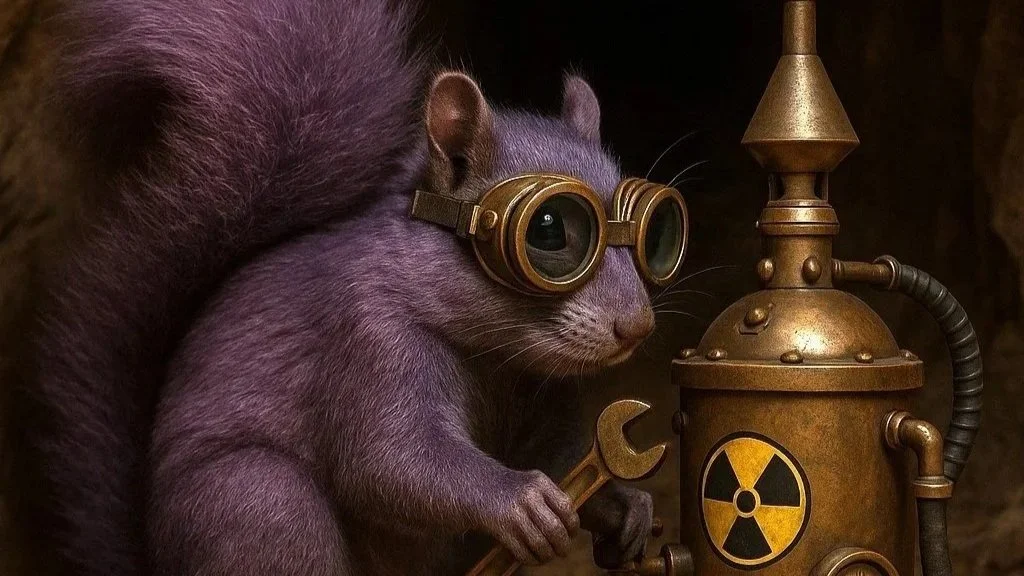
1. The Myth of the “Perfect Candidate” Companies imagine someone who has done THIS job, in THIS industry, under THESE conditions… yesterday. It’s like hunting for that purple squirrel ala underwater popup technician wearing the company hoodie—and then acting shocked when none appear.
2. Fear of the Unknown (Even When the Known Isn’t Working) “But what if they don’t understand how we do things?” Counterpoint: sometimes how things are done is exactly the problem!
3. Job Descriptions More Fantasy Novel Than Practical Guide “5+ years in a role that’s existed for 2.” “Expert in technologies we might adopt one day.” Bring your Harry Potter kit!
4. Industry Bias “But they’ve never worked in our world.” Conveniently forgetting every leader once entered that world with zero experience.
5. Misunderstanding Transferable Skills Strategic thinking, leadership, innovation… companies say they want them, until: “Sure, but can you do all that in logistics/fintech/manufacturing during a full moon?”
6. Overreliance on ATS Tools If the CV doesn’t include the magic keywords? “Thank you for applying. No.”
7. The Comfort Blanket of Familiarity Humans like what they know—even when what they know isn’t delivering great results.
Pros and Cons of Hiring People With Transferable Skills
Pros
Fresh Perspective – No “this is how we’ve always done it” baggage.
Adaptability – Career changers are built for ambiguity.
Powerful Leadership Skills – Influence, communication, and strategic thinking travel well.
Broader Thinking – Cross-industry creativity leads to breakthroughs.
Cultural Revitalisation – They challenge norms and energise teams.
Better Problem-Solving – They bring analogies and solutions others don’t see.
Cons (or: perceived risks)
Longer Ramp-Up Time – They may need to learn industry nuance.
Stakeholder Scepticism – Some teams resist “outsiders.”
Industry Jargon Learning Curve – Every sector has its own dialect.
Bias Around “Fit” – Different backgrounds can be misunderstood.
Gaps in Technical Knowledge – Sometimes training is needed (which is true for everyone, by the way).
Now I fully appreciate if you’re down in the subterranean depths carefully stitching together nuclear bombs (purely as a hypothetical!), then yes, certain skills and a very specific personality type are non-negotiable. But for the rest of the working world? Maybe it’s time we seriously rethink what a business truly needs. And with today’s collective obsession over A.I. only widening our blind spots, the need for a fresh perspective isn’t just helpful — it’s urgent.
Comments thoughts welcomed, as always!
MC